
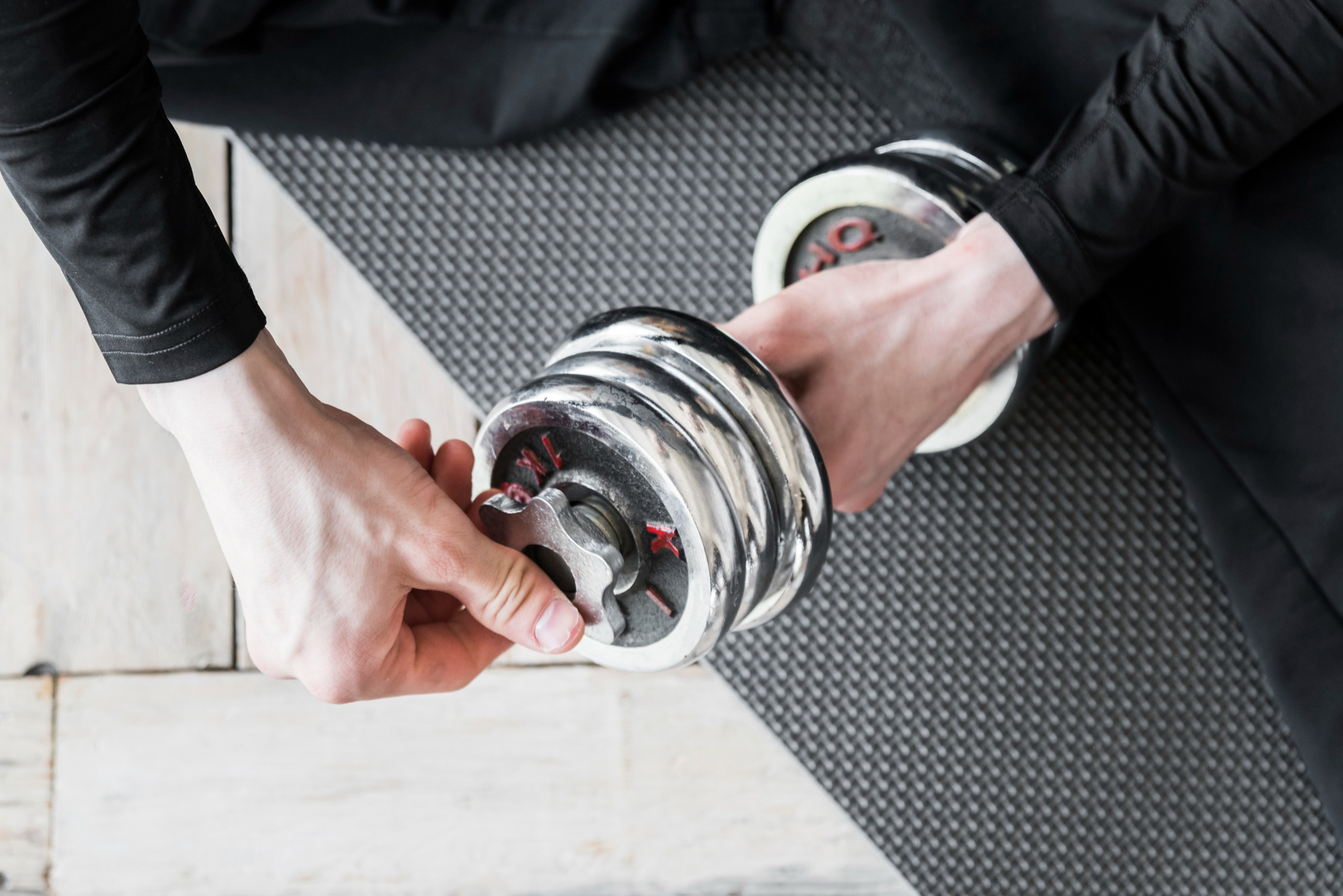
Over the past ten years, strength training has seen substantial change. A highly optimized training ecology has emerged from what was formerly restricted to simple barbells and dumbbells. At the center of this progression lies Strength Gear—a category of equipment designed to improve performance, promote safety, and expedite results for both beginners and advanced lifters.
Whether you train at home or at a commercial gym, understanding Strength Gear is vital if you want to lift smarter, stay injury-free, and maximize every exercise.
Understanding Strength Gear in Modern Fitness
Strength Gear refers to specific training accessories and equipment that promote resistance training. These tools are not alternatives for weights; rather, they supplement your exercises by increasing grip, stability, posture, and general lifting mechanics.
Modern training places considerable emphasis on longevity, efficiency, and injury prevention. Strength Gear plays a crucial role in reaching these goals by letting your muscles to perform harder while preventing unneeded strain on joints, tendons, and connective tissues.
Why Strength Gear Matters More Than Ever
As fitness knowledge increases, more people are training independently at home. Without a coach present, the correct Strength Gear becomes even more critical. It works as a support system that helps preserve appropriate form and decreases the chance of damage.
From a performance perspective, Strength Gear allows lifters to break plateaus. When grip strength or joint weariness becomes the limiting element, gear such as lifting straps or knee sleeves guarantees that the target muscles receive maximum stimulation.
In sum, Strength Gear bridges the gap between raw strength and safe, incremental overload.
Essential Types of Strength Gear You Should Know
Weightlifting Belts
A weightlifting belt is one of the most regularly utilized Strength Gear accessories. It promotes core stability during big movements such as squats, deadlifts, and overhead presses. By raising intra-abdominal pressure, the belt helps protect the spine and enhances force transfer.
Belts are especially beneficial for intermediate and expert lifters moving bigger loads.
Wrist Wraps and Lifting Straps
Wrist wraps support the wrist joint during pushing motions, whereas lifting straps boost grip strength during pulling workouts. You can train harder and longer with both kinds of strength gear without experiencing joint pain or early exhaustion.
They are particularly useful for hypertrophy-focused training and high-volume exercises.
Knee Sleeves and Wraps
Knee sleeves give the knee joint modest support, warmth, and compression. They promote blood flow and joint awareness, making them excellent for squats, lunges, and leg presses. Knee wraps, a more advanced variant of Strength Gear, provide additional rebound and support for maximal lifts.
Resistance Bands
One of the most adaptable pieces of strength equipment on the market now is resistance bands. They can be used for warm-ups, auxiliary motions, mobility drills, and even full workouts. Bands are especially popular in home gym installations due to their price and space efficiency.
Lifting Gloves and Grips
For novices or casual lifters, lifting gloves provide comfort and protect the hands from calluses. Advanced lifters sometimes prefer grip pads or chalk-based alternatives, but gloves remain a sensible entry-level Strength Gear option.

Strength Gear for Home Gyms
Home gyms have become a permanent part of modern exercise routines. For a home gym to be safe, efficient, and adaptable, strength equipment is necessary.
Accessories like adjustable belts, resistance bands, and compact supports enable users to do a variety of workouts without sacrificing results when they have limited room and equipment. Investing in premium Strength Gear converts a basic home setup into a professional-grade training environment.
How Strength Gear Enhances Safety and Performance
Injury prevention is one of the most underappreciated advantages of strength gear. Poor wrist alignment, insufficient core bracing, or unstable knees might contribute to long-term failures. Strength Gear corrects these weak places by giving tailored assistance where it is required most.
From a performance aspect, Strength Gear boosts training efficiency. When stabilizing muscles are supported, major muscle groups can perform harder. This results in higher muscle activation, increased strength development, and faster improvement over time.
Choosing the Right Strength Gear for Your Goals
Not every lifter requires every accessory, and not all strength gear is made equal. Goals, experience level, and training style should all be taken into consideration while making a choice.
Beginners should focus on basic Strength Gear such as resistance bands, gloves, and light knee sleeves. Intermediate lifters can benefit from belts and wrist wraps, while expert athletes may integrate straps, wraps, and specialized support gear.
Price should never come before quality. Durable materials, proper fit, and respected brands provide both safety and long-term value.
Strength Gear and Affiliate Buying Decisions
From an affiliate marketing standpoint, Strength Gear is a high-conversion product category. Fitness aficionados are repeat purchasers who update gear as they advance. Educational information that outlines the benefits and proper usage of Strength Gear promotes trust and supports educated purchasing decisions.
Product comparisons, buyer guides, and usage tutorials do particularly well in this sector, especially when accompanied by honest recommendations and performance-based advantages.
Concluding Remarks on Strength Equipment
Strength gear is now a necessary investment in improved training, safer lifting, and steady advancement. The proper strength equipment improves every facet of your exercises, whether you’re establishing a home gym, getting back into shape, or pursuing performance objectives.
Strength Gear offers the ideal ratio of strength, safety, and scalability for today’s training demands. Choosing the appropriate equipment today might define your fitness outcomes for years to come.
Leave A Comment
You must be logged in to post a comment.